
Lifestyle
Bonne Vivante: A Complete Guide to Living the Good Life


Introduction
What is a bonne vivante and what does it offer? The term bonne vivante comes from French and refers to someone who truly enjoys the good things in life. A bonne vivante is not just a person who loves fine dining, travel, fashion, and culture—it’s someone who embraces a lifestyle filled with sophistication, enjoyment, and appreciation for quality experiences. Being a bonne vivante is not about excess or luxury alone; it’s about cultivating taste, seeking joy in everyday moments, and finding balance between indulgence and meaningful living.
1. The Origin and Evolution of Bonne Vivante
The phrase “bonne vivante” originated in France and directly translates to “one who lives well.” Historically, it described individuals in high society who indulged in fine dining, luxury fashion, and cultural events. Over time, the definition has evolved, and today it is less about wealth and more about appreciating life’s pleasures with style, taste, and elegance.
2. Key Characteristics of a Bonne Vivante
A bonne vivante typically embodies:
-
Love for fine food and drinks – appreciation for gourmet experiences.
-
Passion for travel – exploring new cultures and destinations.
-
Interest in art and culture – enjoying museums, theater, and fashion.
-
Social elegance – thriving in social settings and enjoying good company.
-
Mindful indulgence – focusing on quality rather than quantity.
3. Lifestyle Elements of a Bonne Vivante
Dining and Culinary Adventures
Food is central to the bonne vivante lifestyle. From Michelin-starred restaurants to local street food with rich traditions, the bonne vivante seeks flavor, presentation, and authenticity.
Travel and Exploration
Travel is another cornerstone. A bonne vivante values unique destinations, luxury accommodations, cultural immersion, and the joy of discovery.
Art, Culture, and Social Life
Attending exhibitions, concerts, and cultural gatherings is part of the lifestyle. The bonne vivante enjoys connecting with others who share refined interests.
4. Comparison: Bonne Vivante vs. Minimalist Living
| Aspect | Bonne Vivante Lifestyle | Minimalist Lifestyle |
|---|---|---|
| Focus | Pleasure & experiences | Simplicity & essentials |
| Approach to luxury | Embraces quality living | Avoids excess |
| Social engagement | Highly social & outgoing | Reserved & intentional |
| Material possessions | Curated for enjoyment | Limited to essentials |
5. Benefits of Living as a Bonne Vivante
-
Increased life satisfaction through pleasure-driven living.
-
Rich cultural exposure via travel and art.
-
Stronger social connections through elegant gatherings.
-
Personal growth by embracing new experiences.
6. Challenges and Misconceptions
-
Seen as materialistic – though it’s more about quality of life.
-
Can be costly – luxury experiences require budgeting.
-
Misunderstood as indulgence only – when in reality it’s also about balance.
7. How to Cultivate the Bonne Vivante Lifestyle
-
Prioritize quality over quantity in purchases and experiences.
-
Develop cultural taste by exploring art, music, and literature.
-
Travel intentionally to learn and grow, not just to consume.
-
Host or attend social events to build meaningful connections.
-
Practice mindful enjoyment – savor the moment fully.
8. Future of the Bonne Vivante Concept
As sustainability and wellness become important, the modern bonne vivante is adapting. Instead of excess, the focus is shifting toward eco-conscious luxury, local experiences, and wellness-oriented indulgence.
9. Pros and Cons of Being a Bonne Vivante
Pros:
-
Elevated lifestyle
-
Memorable experiences
-
Enriched cultural knowledge
-
Stronger relationships
Cons:
-
Potentially expensive
-
Risk of being seen as elitist
-
Requires balance to avoid burnout
10. Conclusion: Is the Bonne Vivante Lifestyle for You?
The bonne vivante lifestyle is ideal for those who appreciate culture, luxury, and meaningful experiences. It’s not just about indulgence; it’s about cultivating taste, enjoying life deeply, and finding joy in both extraordinary and everyday moments. If you value balance, quality, and exploration, then becoming a bonne vivante may enrich your personal journey.
11. FAQs
Q1: Does being a bonne vivante mean being wealthy?
Not necessarily. It’s more about taste and appreciation than money.
Q2: Can minimalists be bonnes vivantes?
Yes, if they prioritize meaningful and high-quality experiences.
Q3: What are examples of bonne vivante activities?
Fine dining, art exhibitions, cultural travel, and hosting elegant gatherings.
Q4: Is the lifestyle sustainable long term?
Yes, if practiced mindfully and within one’s means.
Q5: How can someone start adopting this lifestyle?
Begin by valuing quality, exploring culture, and savoring small luxuries daily.




Introduction
Interior decoration continues to evolve, yet natural decorative elements remain timeless. Pyntekvister have emerged as a refined decor solution that blends simplicity, warmth, and modern aesthetics into any living space. Whether your goal is to elevate a minimalist interior or add character to a cozy room, these decorative branches offer flexibility, sustainability, and visual impact without overwhelming your design.
Homeowners and designers alike value decor elements that feel authentic, adaptable, and long-lasting. Decorative branches answer that demand by bringing organic textures indoors while remaining versatile enough to suit contemporary, rustic, or Scandinavian-inspired spaces. This guide explores their design value, usage ideas, benefits, and practical comparisons to help you make informed decorating decisions.
What Makes Decorative Branches a Modern Favorite
Decor trends increasingly favor materials inspired by nature. Decorative branches provide visual balance by softening hard architectural lines and introducing movement into static spaces. Unlike mass-produced decor, branches offer individuality—each piece carries its own shape, curve, and texture.
Another reason for their popularity lies in their adaptability. They work equally well in vases, wall arrangements, seasonal displays, or table centerpieces. Because they don’t rely on artificial brightness or heavy ornamentation, they age gracefully alongside evolving interior trends.
Design Versatility in Everyday Living Spaces
One of the strongest advantages of using pyntekvister is their ability to adapt across rooms and styles without clashing. In living rooms, tall branches placed in floor vases create vertical interest and draw the eye upward, enhancing perceived ceiling height. In dining areas, smaller arrangements can act as understated centerpieces that do not obstruct conversation.
Bedrooms benefit from softer, neutral-toned branches that reinforce calmness and relaxation. Entryways gain instant character with a simple decorative display that welcomes guests without appearing cluttered. Even workspaces can benefit from organic decor that reduces visual stress and improves focus.
Jr Geo: A Smart Way for Young Minds to Master Geography
Sustainability and Long-Term Value
Eco-conscious decorating has become more than a trend—it is a responsibility. Decorative branches align naturally with sustainable living principles. They require no electricity, minimal maintenance, and often come from renewable or reusable sources.
Unlike fresh flowers, branches maintain their form for extended periods. This longevity reduces waste and repeated spending. When chosen thoughtfully, they can be reused season after season, styled differently each time to reflect changing moods or themes.
Comparison Chart: Decorative Branches vs Other Decor Elements
The chart below highlights how decorative branches compare with other common interior decor choices, helping readers understand their practical value.
| Feature | Decorative Branches | Artificial Flowers | Wall Art | Sculptural Decor |
|---|---|---|---|---|
| Maintenance | Very Low | Low | None | None |
| Longevity | High | Medium | High | High |
| Sustainability | High | Low | Medium | Medium |
| Style Flexibility | Very High | Medium | Low | Medium |
| Cost Over Time | Low | Medium | Medium | High |
| Space Adaptability | Excellent | Good | Limited | Limited |
This comparison shows why pyntekvister stand out as a balanced decor solution combining beauty, practicality, and environmental responsibility.
How to Choose the Right Decorative Branches
Selecting the right branches depends on space, color palette, and desired mood. Tall, slender branches suit modern interiors with clean lines, while twisted or textured branches add drama to eclectic or rustic spaces.
Color choice matters. Natural wood tones work well in neutral interiors, while painted or treated branches can complement bold color schemes. The key lies in moderation—branches should enhance the room, not dominate it.
Seasonal Styling Without Replacing Decor
One major benefit of decorative branches is seasonal adaptability. In spring, they can be paired with light accessories. In autumn, they complement warm textures and earthy tones. During winter, subtle lighting or ornaments can add festive appeal without changing the base decor.
This adaptability makes them a cost-effective solution for homeowners who enjoy refreshing their interiors without frequent purchases.
Expert Styling Tips for Lasting Impact
Professional designers often recommend placing decorative branches where natural light interacts with them. Light enhances shadows and textures, creating dynamic visual interest throughout the day.
Balance is essential. If branches are tall or visually complex, keep surrounding decor minimal. This contrast allows them to serve as a focal point without overwhelming the space.
Frequently Asked Questions
1. Are decorative branches suitable for small spaces?
Yes, when scaled appropriately, they enhance small spaces by adding height and texture without crowding the room.
2. How often should decorative branches be replaced?
High-quality branches can last for years if kept clean and stored properly when not in use.
3. Can pyntekvister match modern interior styles?
Absolutely. Their clean, organic lines align well with modern, minimalist, and Scandinavian designs.
4. Do decorative branches require special care?
They require minimal care—occasional dusting is usually sufficient to maintain their appearance.
5. Can they be styled for professional spaces?
Yes, they are widely used in offices and studios to create calm, welcoming environments.
Conclusion
Decorating with intention means choosing elements that combine beauty, function, and longevity. Pyntekvister offer all three, making them a smart choice for modern interiors seeking warmth without excess. Their adaptability, sustainability, and timeless appeal allow homeowners to express style confidently while keeping spaces balanced and inviting.
When used thoughtfully, decorative branches become more than accessories—they become lasting design statements that evolve with your home.
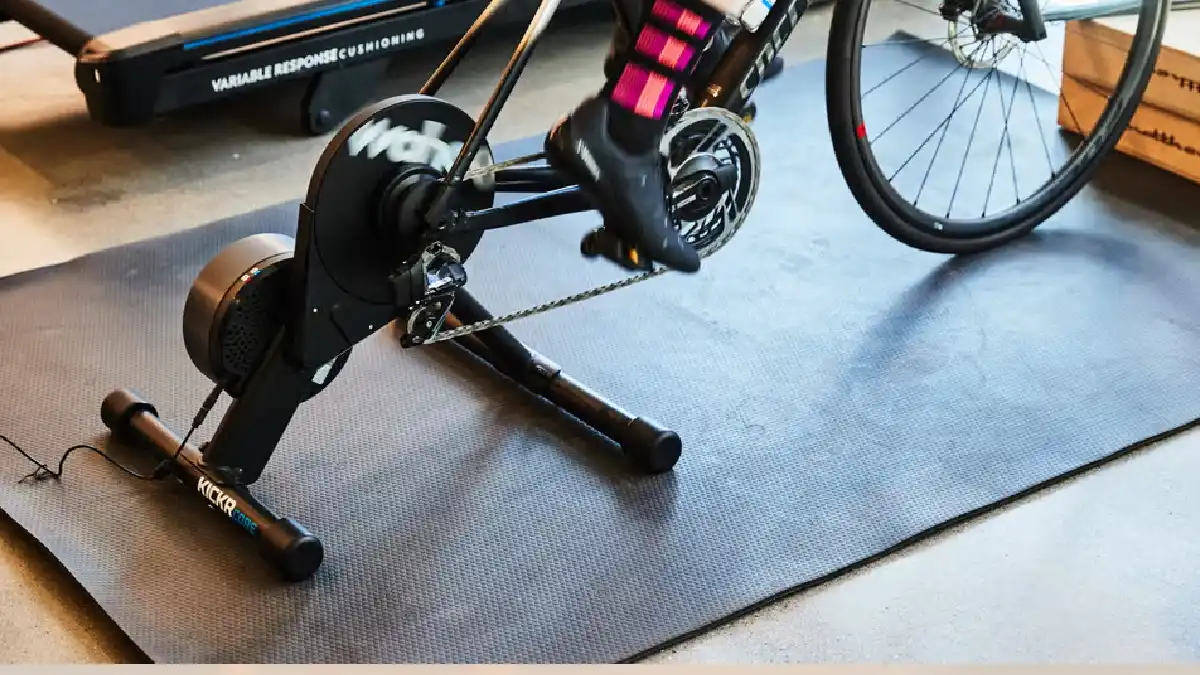
Indoor cycling has evolved into a serious training solution for fitness lovers, commuters, and competitive riders. A modern cycle trainer lets you ride anytime, regardless of weather, traffic, or daylight. It turns a regular bicycle into a powerful indoor workout machine that builds endurance, strength, and consistency.
This guide explains everything you need to know, from core types and resistance systems to noise levels and training goals. It is written from real-world riding experience, current product behavior, and hands-on evaluation standards used by serious cyclists today.
Why Indoor Cycle Training Matters Today
Indoor training is no longer a backup option. It is a primary tool for structured fitness. Riders use it to maintain routine, track progress, and train safely at home. With proper setup, indoor cycling improves cadence control, power output, and cardiovascular health faster than unstructured outdoor rides.
Many riders choose the Best Cycle Trainer because it delivers predictable resistance, repeatable workouts, and measurable improvement without distractions.
Types of Cycle Trainers Explained Clearly
Understanding trainer types helps you avoid wasting money and ensures the right fit for your goals.
1. Wheel-On Trainers
These trainers clamp onto the rear wheel. Resistance presses against the tire.
Pros
- Affordable
- Lightweight
- Easy to store
Cons
- Tire wear
- Slightly louder
- Less precise resistance
2. Direct-Drive Trainers
The rear wheel is removed. The bike mounts directly onto the trainer cassette.
Pros
- Very quiet
- Accurate resistance
- No tire damage
Cons
- Higher cost
- Heavier
3. Roller Trainers
The bike sits freely on rolling drums.
Pros
- Improves balance
- Natural road feel
Cons
- Steep learning curve
- Not ideal for high resistance workouts
Resistance Systems That Matter
Resistance defines workout quality. These are the main systems used today.
Magnetic Resistance
Simple and durable. Best for casual riders.
Fluid Resistance
Smooth and progressive. Popular for realistic road feel.
Electromagnetic Resistance
Digitally controlled. Ideal for structured training plans and interval work.
Noise Levels and Home Comfort
Noise is a major factor for apartment riders and shared spaces. Direct-drive models are the quietest. Wheel-on trainers create more vibration but remain manageable with a mat. Proper setup, tire choice, and surface padding reduce sound significantly.
Stability, Safety, and Bike Compatibility
A good trainer stays solid during sprints and climbs. Look for:
- Wide base footprint
- Non-slip feet
- Adjustable axle support
Compatibility matters. Modern trainers support road, gravel, and mountain bikes with standard axle adapters. Always confirm axle type before purchase.
Training Accuracy and Performance Tracking
Accurate resistance helps measure improvement. Advanced trainers respond instantly to cadence changes and maintain steady output. This precision makes indoor cycling effective for:
- Weight loss
- Endurance training
- Rehabilitation
- Power-based workouts
This is where the Best Cycle Trainer separates itself from entry-level options.
Comparison Chart: Choosing the Right Trainer
| Feature | Wheel-On | Direct-Drive | Rollers |
|---|---|---|---|
| Noise Level | Medium | Very Low | Low |
| Resistance Accuracy | Moderate | High | Low |
| Setup Time | Fast | Moderate | Moderate |
| Tire Wear | Yes | No | No |
| Price Range | Low | High | Medium |
| Skill Required | Beginner | Beginner | Advanced |
This chart helps you match trainer type with lifestyle, budget, and experience.
Setup Tips for Better Results
Correct setup improves comfort and prevents injury.
- Use a level surface
- Install a sweat guard
- Adjust saddle height carefully
- Warm up before intense sessions
- Cool down after every ride
Small adjustments make indoor rides feel natural and sustainable.
Maintenance and Longevity
A quality trainer lasts years with minimal care.
- Clean after sweaty sessions
- Tighten bolts monthly
- Store in dry conditions
- Check resistance unit annually
Well-maintained trainers stay smooth and reliable over time.
Who Should Use Indoor Cycle Trainers?
Indoor trainers benefit many people:
- Busy professionals
- Parents with limited time
- Athletes training consistently
- Beginners building confidence
- Riders avoiding traffic risks
With the right choice, indoor cycling fits almost every lifestyle.
How to Choose with Confidence
Before buying, ask yourself:
- How quiet does it need to be?
- Do I want structured workouts?
- What bike do I own?
- How much space do I have?
- What is my training goal?
Answering these questions narrows options fast and prevents regret.
FAQs
Is indoor cycling effective for weight loss?
Yes. Consistent indoor rides burn calories efficiently and support fat loss when paired with good nutrition.
How often should I use a cycle trainer?
Three to five sessions per week delivers strong fitness results without overtraining.
Do trainers damage bicycles?
No. Proper installation and maintenance keep bikes safe and aligned.
Can beginners use indoor trainers safely?
Absolutely. Most trainers support low resistance and stable mounting for new riders.
Is indoor cycling good for joints?
Yes. Cycling is low-impact and gentle on knees and hips when adjusted correctly.
Conclusion
Indoor cycling offers control, consistency, and measurable progress. With thoughtful selection, proper setup, and regular use, a trainer becomes a long-term fitness investment. Riders who choose the Best Cycle Trainer gain freedom from weather, traffic, and schedule limits while improving health and performance year-round.
A smart choice today creates stronger rides tomorrow.

Introduction
Openhouseperth.net is more than just a website—it’s a gateway to exploring the cultural, architectural, and lifestyle treasures of Perth. From hidden gems to world-class events, this platform brings together stories, experiences, and opportunities that allow locals and visitors to rediscover the city in a new light. Whether you’re interested in design, history, or simply finding new places to explore, Openhouseperth.net offers a curated experience that blends creativity with community engagement.
In this article, we’ll dive deep into what Openhouseperth.net offers, why it matters, and how it transforms the way people connect with Perth’s vibrant culture. You’ll also find a practical comparison chart, FAQs, and a complete guide designed to keep you engaged.
1. What is Openhouseperth.net?
Openhouseperth.net is a curated lifestyle and events platform that highlights the culture, architecture, and unique experiences of Perth. It opens doors to places and stories that people might otherwise overlook, giving them a chance to explore the city in depth.
Unlike traditional event directories, it provides exclusive insights into local architecture, design concepts, and community-driven initiatives.
More Article Here
2. The Core Purpose of Openhouseperth.net
The platform’s mission is to connect people with Perth’s cultural and architectural heritage. It is designed to:
-
Showcase hidden gems.
-
Celebrate innovative design and sustainable spaces.
-
Offer immersive cultural events.
-
Encourage community participation.
3. Key Features That Make It Unique
-
Curated Events: Focus on architecture, art, and lifestyle.
-
Cultural Insights: Stories about history and design.
-
Accessibility: Easy-to-navigate website for locals and tourists.
-
Community Engagement: Opportunities for volunteers, creators, and businesses.
4. How Openhouseperth.net Benefits the Community
The platform strengthens community bonds by encouraging people to rediscover their city. It inspires collaboration between architects, artists, businesses, and everyday residents, creating a shared sense of pride.
5. Why Architecture Plays a Central Role
Perth’s architectural landscape is diverse, blending heritage with modern designs. Openhouseperth.net emphasizes architecture as the backbone of culture, showing how spaces shape community life and creativity.
6. Events and Experiences Hosted
Events typically include:
-
Architectural tours.
-
Public open houses of private buildings.
-
Workshops on design and sustainability.
-
Lifestyle events focusing on food, art, and culture.
7. Opportunities for Locals and Tourists
-
Locals: A chance to rediscover familiar neighborhoods.
-
Tourists: Authentic cultural experiences beyond the usual attractions.
8. How Openhouseperth.net Supports Sustainability
Sustainability is a core principle. By promoting eco-friendly buildings, green practices, and responsible tourism, the platform helps reduce environmental impact.
9. Digital Access and User Experience
The website is designed with user-friendly navigation, allowing visitors to:
-
Search upcoming events.
-
Learn about architecture and cultural sites.
-
Explore guides and recommendations.
10. Cultural Impact of Openhouseperth.net
By highlighting Perth’s identity, Openhouseperth.net strengthens cultural appreciation, making the city more attractive to creatives, businesses, and tourists alike.
11. Creative Inspiration and Learning Opportunities
For students, professionals, and enthusiasts, the platform offers learning resources on:
-
Urban design.
-
Architectural innovation.
-
Community-driven development.
12. Comparison Chart: Openhouseperth.net vs. Similar Platforms
| Feature | Openhouseperth.net | Generic Event Platforms |
|---|---|---|
| Focus on Architecture & Culture | ✅ Yes | ❌ No |
| Community Engagement | ✅ Strong | ⚠️ Limited |
| Sustainability Highlights | ✅ Core Value | ❌ Not Emphasized |
| Local Insights | ✅ Authentic | ❌ Generic |
| Visitor Experience | ✅ Immersive | ⚠️ Basic |
13. Who Should Use Openhouseperth.net?
-
Tourists seeking unique local experiences.
-
Locals who love culture and design.
-
Businesses wanting to connect with the community.
-
Students and professionals in architecture or design.
14. How Businesses Can Benefit
Businesses can partner with the platform to:
-
Gain exposure at events.
-
Reach culturally engaged audiences.
-
Showcase their sustainable or creative practices.
15. Tips to Get the Most Out of Openhouseperth.net
-
Stay updated on the events calendar.
-
Join workshops for hands-on learning.
-
Explore hidden locations featured.
-
Connect with like-minded individuals.
16. The Future of Openhouseperth.net
The platform is expected to expand further by:
-
Introducing more digital experiences.
-
Highlighting innovative sustainable projects.
-
Strengthening its role in Perth’s cultural identity.
17. 5 Most Frequently Asked Questions (FAQs)
Q1: What makes Openhouseperth.net special?
It focuses on architecture, culture, and sustainability while offering immersive experiences.
Q2: Is it only for locals?
No, it’s for both locals and tourists who want to explore Perth differently.
Q3: Are events free?
Some events are free, while others may require tickets depending on exclusivity.
Q4: Can businesses collaborate?
Yes, businesses can showcase their services, sponsor events, or participate in programs.
Q5: How often are events updated?
Events are regularly updated throughout the year to reflect seasonal highlights.
Conclusion
Openhouseperth.net is more than just an events platform—it’s a cultural movement that highlights the very best of Perth. By blending architecture, creativity, and sustainability, it creates a meaningful connection between people and their city. Whether you’re a local rediscovering hidden gems or a visitor exploring new experiences, this platform opens the door to a richer, more authentic Perth.

America/California Time Zone Guide: Never Miss a Meeting Again

The Rarest Arc Raiders Blueprints and How to Get Them

Speciering Guide: Powerful 7 Facts You Must Know

Top Chartered Accountants Benefits: Guide, Tips, FAQs & More

blogsternation .com: Complete Beginner’s Guide, Benefits, and FAQs

How Many Quarters in Football? A Complete Guide to Game Structure and Timing
-
 Business10 months ago
Top Chartered Accountants Benefits: Guide, Tips, FAQs & More
-
Tech10 months ago
blogsternation .com: Complete Beginner’s Guide, Benefits, and FAQs
-
Sports10 months ago
How Many Quarters in Football? A Complete Guide to Game Structure and Timing
-
Tech8 months ago
How to Upgrade Graphics Driver: Boost Speed, Fix Issues & Enhance Gaming
-
Editors Pick9 months ago
Astonishing Mist: Why Delta Flight DL275 Diverted LAX Mid‑Pacific
-
Editors Pick9 months ago
Craft “Your Topics Multiple Stories” into Engaging Multi‑Angle Narratives
-
Business10 months ago
Unlocking the Truth About gomyfinance.com Credit Score
-
Education10 months ago
Oxford Acceptance Rate: What It Means, Why It Matters, and How to Beat It