
Home Improvement
Transform Your Home Instantly with Elegant Pyntekvister Styling Ideas

Introduction
Interior decoration continues to evolve, yet natural decorative elements remain timeless. Pyntekvister have emerged as a refined decor solution that blends simplicity, warmth, and modern aesthetics into any living space. Whether your goal is to elevate a minimalist interior or add character to a cozy room, these decorative branches offer flexibility, sustainability, and visual impact without overwhelming your design.
Homeowners and designers alike value decor elements that feel authentic, adaptable, and long-lasting. Decorative branches answer that demand by bringing organic textures indoors while remaining versatile enough to suit contemporary, rustic, or Scandinavian-inspired spaces. This guide explores their design value, usage ideas, benefits, and practical comparisons to help you make informed decorating decisions.
What Makes Decorative Branches a Modern Favorite
Decor trends increasingly favor materials inspired by nature. Decorative branches provide visual balance by softening hard architectural lines and introducing movement into static spaces. Unlike mass-produced decor, branches offer individuality—each piece carries its own shape, curve, and texture.
Another reason for their popularity lies in their adaptability. They work equally well in vases, wall arrangements, seasonal displays, or table centerpieces. Because they don’t rely on artificial brightness or heavy ornamentation, they age gracefully alongside evolving interior trends.
Design Versatility in Everyday Living Spaces
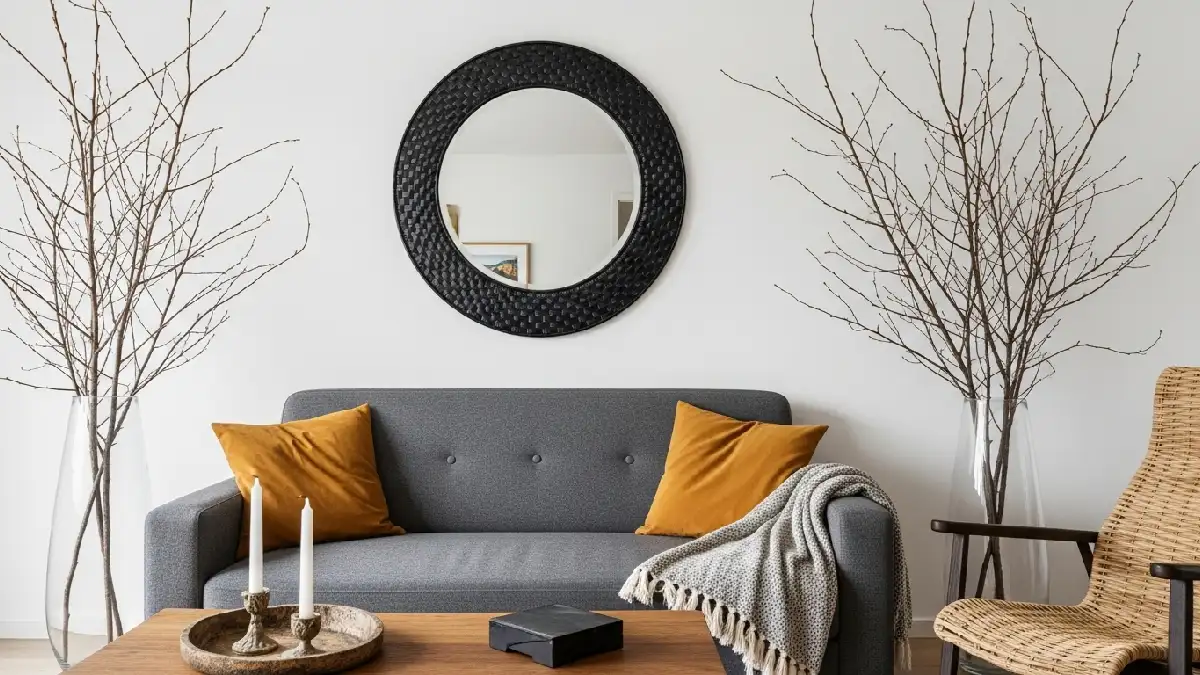
One of the strongest advantages of using pyntekvister is their ability to adapt across rooms and styles without clashing. In living rooms, tall branches placed in floor vases create vertical interest and draw the eye upward, enhancing perceived ceiling height. In dining areas, smaller arrangements can act as understated centerpieces that do not obstruct conversation.
Bedrooms benefit from softer, neutral-toned branches that reinforce calmness and relaxation. Entryways gain instant character with a simple decorative display that welcomes guests without appearing cluttered. Even workspaces can benefit from organic decor that reduces visual stress and improves focus.
Jr Geo: A Smart Way for Young Minds to Master Geography
Sustainability and Long-Term Value
Eco-conscious decorating has become more than a trend—it is a responsibility. Decorative branches align naturally with sustainable living principles. They require no electricity, minimal maintenance, and often come from renewable or reusable sources.
Unlike fresh flowers, branches maintain their form for extended periods. This longevity reduces waste and repeated spending. When chosen thoughtfully, they can be reused season after season, styled differently each time to reflect changing moods or themes.
Comparison Chart: Decorative Branches vs Other Decor Elements
The chart below highlights how decorative branches compare with other common interior decor choices, helping readers understand their practical value.
| Feature | Decorative Branches | Artificial Flowers | Wall Art | Sculptural Decor |
|---|---|---|---|---|
| Maintenance | Very Low | Low | None | None |
| Longevity | High | Medium | High | High |
| Sustainability | High | Low | Medium | Medium |
| Style Flexibility | Very High | Medium | Low | Medium |
| Cost Over Time | Low | Medium | Medium | High |
| Space Adaptability | Excellent | Good | Limited | Limited |
This comparison shows why pyntekvister stand out as a balanced decor solution combining beauty, practicality, and environmental responsibility.
How to Choose the Right Decorative Branches
Selecting the right branches depends on space, color palette, and desired mood. Tall, slender branches suit modern interiors with clean lines, while twisted or textured branches add drama to eclectic or rustic spaces.
Color choice matters. Natural wood tones work well in neutral interiors, while painted or treated branches can complement bold color schemes. The key lies in moderation—branches should enhance the room, not dominate it.
Seasonal Styling Without Replacing Decor
One major benefit of decorative branches is seasonal adaptability. In spring, they can be paired with light accessories. In autumn, they complement warm textures and earthy tones. During winter, subtle lighting or ornaments can add festive appeal without changing the base decor.
This adaptability makes them a cost-effective solution for homeowners who enjoy refreshing their interiors without frequent purchases.
Expert Styling Tips for Lasting Impact
Professional designers often recommend placing decorative branches where natural light interacts with them. Light enhances shadows and textures, creating dynamic visual interest throughout the day.
Balance is essential. If branches are tall or visually complex, keep surrounding decor minimal. This contrast allows them to serve as a focal point without overwhelming the space.
Frequently Asked Questions
1. Are decorative branches suitable for small spaces?
Yes, when scaled appropriately, they enhance small spaces by adding height and texture without crowding the room.
2. How often should decorative branches be replaced?
High-quality branches can last for years if kept clean and stored properly when not in use.
3. Can pyntekvister match modern interior styles?
Absolutely. Their clean, organic lines align well with modern, minimalist, and Scandinavian designs.
4. Do decorative branches require special care?
They require minimal care—occasional dusting is usually sufficient to maintain their appearance.
5. Can they be styled for professional spaces?
Yes, they are widely used in offices and studios to create calm, welcoming environments.
Conclusion
Decorating with intention means choosing elements that combine beauty, function, and longevity. Pyntekvister offer all three, making them a smart choice for modern interiors seeking warmth without excess. Their adaptability, sustainability, and timeless appeal allow homeowners to express style confidently while keeping spaces balanced and inviting.
When used thoughtfully, decorative branches become more than accessories—they become lasting design statements that evolve with your home.

Introduction
The global ceramics industry continues to evolve, and sodiceram has emerged as a concept that reflects durability, design precision, and modern performance standards. From residential interiors to demanding commercial environments, ceramic materials now play a central role in shaping spaces that balance aesthetics with functionality. This article explores how contemporary ceramic solutions meet modern needs, why quality matters more than ever, and how informed choices can significantly improve long-term value.
Ceramics are no longer just decorative elements. They form structural, hygienic, and visual foundations in kitchens, bathrooms, offices, healthcare facilities, and public spaces. Understanding today’s ceramic innovations helps homeowners, architects, and developers make decisions that last for decades rather than years.
Understanding Modern Ceramic Innovation
Ceramic materials have undergone significant technological refinement. Manufacturers now focus on consistency, strength, and environmental responsibility. Advanced firing techniques, refined raw material selection, and precise surface treatments define the modern ceramic landscape.
Unlike traditional ceramics, today’s solutions resist moisture, stains, heat, and heavy foot traffic. This evolution allows ceramic products to function effectively in both aesthetic and structural roles. Floors, wall coverings, countertops, and exterior facades all benefit from improved ceramic engineering.
The rise of sodiceram as a recognized material concept highlights this shift toward performance-driven ceramics designed for real-world challenges.
Key Characteristics That Define Quality Ceramics
High-quality ceramics share several defining characteristics that separate them from lower-grade alternatives:
1. Structural Strength
Modern ceramics undergo controlled firing processes that improve density and reduce porosity. This results in tiles and surfaces that resist cracking and chipping under pressure.
2. Moisture Resistance
Low water absorption rates make ceramic materials ideal for bathrooms, kitchens, and outdoor use. This feature also prevents mold growth and structural weakening over time.
3. Design Versatility
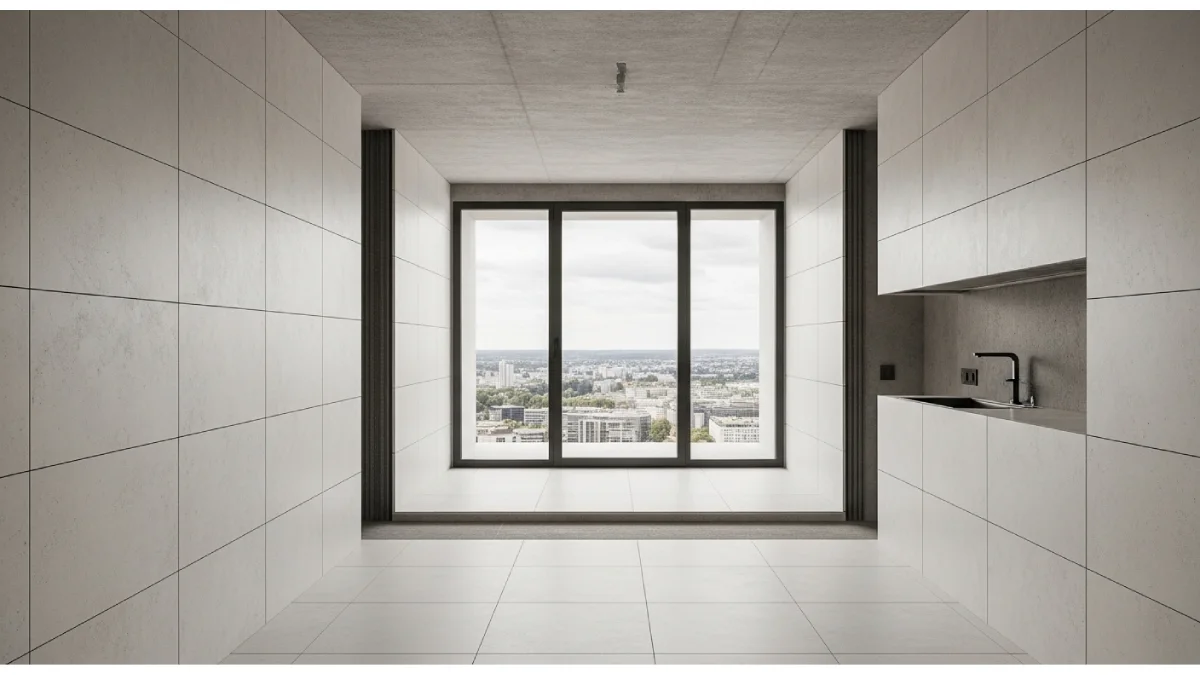
Ceramics now replicate natural stone, wood, concrete, and fabric textures with remarkable accuracy. This flexibility supports creative interior and exterior design without sacrificing durability.
4. Easy Maintenance
Ceramic surfaces clean easily using mild solutions. They resist stains and do not require sealing, reducing long-term maintenance costs.
5. Environmental Responsibility
Many modern ceramic production methods reduce waste, recycle water, and lower emissions. Sustainable practices now influence material selection across construction industries.
Unlock the Full Potential of video&a for Modern Digital Growth
Applications Across Residential and Commercial Spaces
Ceramic materials serve diverse purposes across multiple sectors:
Residential Use
-
Flooring for kitchens, living rooms, and bedrooms
-
Wall tiles for bathrooms and showers
-
Countertops and backsplashes
-
Outdoor patios and balconies
Commercial Use
-
Retail flooring designed for heavy traffic
-
Healthcare environments requiring hygiene
-
Office interiors prioritizing durability
-
Hospitality spaces balancing luxury and strength
Designers increasingly rely on ceramic solutions to create cohesive visual experiences while ensuring long-term performance.
Comparison Chart: Ceramic Materials Performance Overview
The following chart helps readers understand how modern ceramic solutions compare with alternative surface materials.
| Feature | Modern Ceramic | Natural Stone | Vinyl Flooring | Laminate |
|---|---|---|---|---|
| Durability | High | Medium | Medium | Low |
| Water Resistance | Excellent | Variable | Good | Poor |
| Maintenance | Low | High | Low | Medium |
| Design Options | Extensive | Limited | Moderate | Moderate |
| Heat Resistance | Excellent | Excellent | Poor | Poor |
| Lifespan | 20–50 years | 15–40 years | 10–20 years | 10–15 years |
This comparison demonstrates why professionals increasingly choose sodiceram-style ceramic solutions for both form and function.
Why Ceramic Quality Impacts Long-Term Value
Choosing high-quality ceramics directly influences long-term cost efficiency. Inferior materials may appear affordable initially, but they often require replacement, repairs, or intensive maintenance.
Premium ceramic solutions maintain their appearance and performance even under demanding conditions. This longevity reduces renovation frequency and enhances property value. For commercial properties, durable ceramics minimize downtime and maintenance disruptions.
In residential settings, quality ceramics improve daily living comfort and reduce stress related to upkeep.
Design Trends Shaping Ceramic Use Today
Modern ceramic trends emphasize balance between visual warmth and technical strength:
-
Large-format tiles that reduce grout lines
-
Neutral tones inspired by natural materials
-
Matte finishes for contemporary aesthetics
-
Textured surfaces for slip resistance
-
Seamless indoor-outdoor transitions
These trends align with minimalist design philosophies while maintaining practical functionality.
Installation Considerations for Best Results
Proper installation plays a critical role in ceramic performance. Even the highest-quality materials require correct handling and placement.
Key installation factors include:
-
Proper substrate preparation
-
Correct adhesive selection
-
Accurate spacing and leveling
-
Professional cutting and finishing
Skilled installation ensures that ceramic surfaces perform as intended for decades.
Maintenance Best Practices
Ceramic maintenance remains straightforward when done correctly:
-
Sweep or vacuum regularly to remove debris
-
Clean with mild, non-abrasive solutions
-
Avoid harsh chemicals that damage grout
-
Address spills promptly in high-traffic areas
Consistent care preserves appearance and structural integrity without specialized treatments.
Frequently Asked Questions
1. What makes sodiceram different from traditional ceramics?
Modern ceramic solutions emphasize enhanced durability, lower porosity, and advanced design techniques that outperform older ceramic materials.
2. Are ceramic materials suitable for outdoor use?
Yes, high-quality ceramics resist moisture, temperature changes, and UV exposure, making them suitable for outdoor environments.
3. How long do modern ceramic surfaces last?
With proper installation and care, ceramic surfaces can last several decades without losing performance or visual appeal.
4. Do ceramics support sustainable construction?
Many ceramic production processes now focus on waste reduction, energy efficiency, and long product lifespans, supporting sustainability goals.
5. Is professional installation necessary?
Professional installation ensures optimal performance, correct alignment, and long-term durability, especially in large or complex projects.
Conclusion
As construction and design standards continue to rise, sodiceram represents a modern ceramic approach that balances beauty, strength, and reliability. From residential interiors to demanding commercial spaces, ceramic solutions deliver long-term value through durability, low maintenance, and design flexibility. By understanding material characteristics, installation requirements, and performance advantages, property owners and professionals can make informed decisions that enhance both functionality and visual appeal for years to come.


A professional Chimney Inspection Chandler AZ service keeps your fireplace, stove, and chimney safe and efficient year-round. Regular cleaning and maintenance protect your home from fire hazards, lower heating cost, and extend the life of your system. Whether you burn wood, gas, or only use your chimney occasionally, annual inspection and sweep appointments are essential for both comfort and safety.
Key Features of Our Chimney Inspection Service
- Certified Professional: All inspections performed by CSIA-certified experts.
- Comprehensive Safety Check: Interior and exterior inspection including flue, masonry, and fireplace components.
- Efficient Cleaning: Removes creosote for better draft and cleaner burns.
- Transparent Cost: No hidden fees; see our pricing table below.
- Maintenance Guidance: Personalized tips for gas and wood burning systems.
Why Annual Chimney Inspection Is Critical
Even in Arizona’s dry climate, chimneys collect dust, creosote, and wildlife debris that increase fire risk. A yearly inspection and cleaning ensure:
- Safety: Early detection of cracks or blockages that could lead to carbon monoxide leaks or chimney fires.
- Cost Savings: Routine maintenance prevents expensive repairs later.
- Efficiency: A clean flue improves draft, making your fireplace or stove more energy-efficient.
How Often Should You Schedule Cleaning?
The National Fire Protection Association advises at least one Chimney Inspection per year, even with minimal use. Heavy wood burners or homes with gas fireplaces may require cleaning every 40–50 fires. If you notice smoke stains, strange odors, or poor draft, schedule an inspection immediately—no matter how long since the last visit.
What to Expect During a Professional Chimney Inspection
A certified chimney sweep or inspector will:
- Conduct a full exterior and interior check of masonry, flue, cap, and flashing.
- Inspect the fireplace, stove, and smoke chamber for soot or creosote.
- Perform a camera-assisted flue scan to detect cracks.
- Provide a detailed report with recommended repairs or cleaning.
Chandler AZ Chimney Inspection Pricing
| Service Level | Includes | Estimated Cost* |
| Basic Inspection | Visual check of exterior and interior surfaces | $99 – $150 |
| Level 2 Inspection + Sweep | Camera scan, full cleaning, draft test | $175 – $250 |
| Full Maintenance Package | Level 2 + minor repairs (cap/flash adjustment) | $250 – $400 |
*Prices are average ranges for Chandler AZ and may vary based on chimney size, repair needs, and frequency of cleaning.
Key Safety & Maintenance Tips
Check the chimney cap each season to keep out debris and animals.
Burn only seasoned wood to reduce creosote buildup.
Have your chimney cleaned and inspected before heavy winter use.
Schedule repairs promptly to avoid larger structural damage.
Keep a record of all inspections for insurance and resale value
Schedule Your Chimney Inspection Today
Protect your home with a Quick & Reliable Chimney Inspection Chandler AZ. Our certified professionals provide top-level service, clear pricing, and expert maintenance advice..
Frequently Asked Questions
How much does a chimney inspection cost in Chandler AZ?
Most basic inspections cost between $99 and $150, while a full cleaning and Level 2 inspection averages $175–$250.
Do I need an inspection if I have a gas fireplace?
Yes. Gas appliances still produce residues and require annual inspection to ensure the flue and venting remain safe.
How often should a wood-burning chimney be cleaned?
At least once a year or every 40–50 fires, whichever comes first.
Are your sweepers certified?
All our sweepers, inspectors, and professionals hold CSIA certification, meeting national safety standards.
Can small cracks be repaired during the inspection?
Minor repairs such as cap replacement or flashing adjustment can usually be handled on-site for an additional fee.
Read more chimney sweep chandler az

America/California Time Zone Guide: Never Miss a Meeting Again

The Rarest Arc Raiders Blueprints and How to Get Them

Speciering Guide: Powerful 7 Facts You Must Know

Top Chartered Accountants Benefits: Guide, Tips, FAQs & More

blogsternation .com: Complete Beginner’s Guide, Benefits, and FAQs

How Many Quarters in Football? A Complete Guide to Game Structure and Timing
-
 Business10 months ago
Top Chartered Accountants Benefits: Guide, Tips, FAQs & More
-
Tech10 months ago
blogsternation .com: Complete Beginner’s Guide, Benefits, and FAQs
-
Sports10 months ago
How Many Quarters in Football? A Complete Guide to Game Structure and Timing
-
Tech8 months ago
How to Upgrade Graphics Driver: Boost Speed, Fix Issues & Enhance Gaming
-
Editors Pick9 months ago
Astonishing Mist: Why Delta Flight DL275 Diverted LAX Mid‑Pacific
-
Editors Pick9 months ago
Craft “Your Topics Multiple Stories” into Engaging Multi‑Angle Narratives
-
Business10 months ago
Unlocking the Truth About gomyfinance.com Credit Score
-
Education10 months ago
Oxford Acceptance Rate: What It Means, Why It Matters, and How to Beat It