
Technology
Unlock the Full Potential of video&a for Modern Digital Growth

Introduction
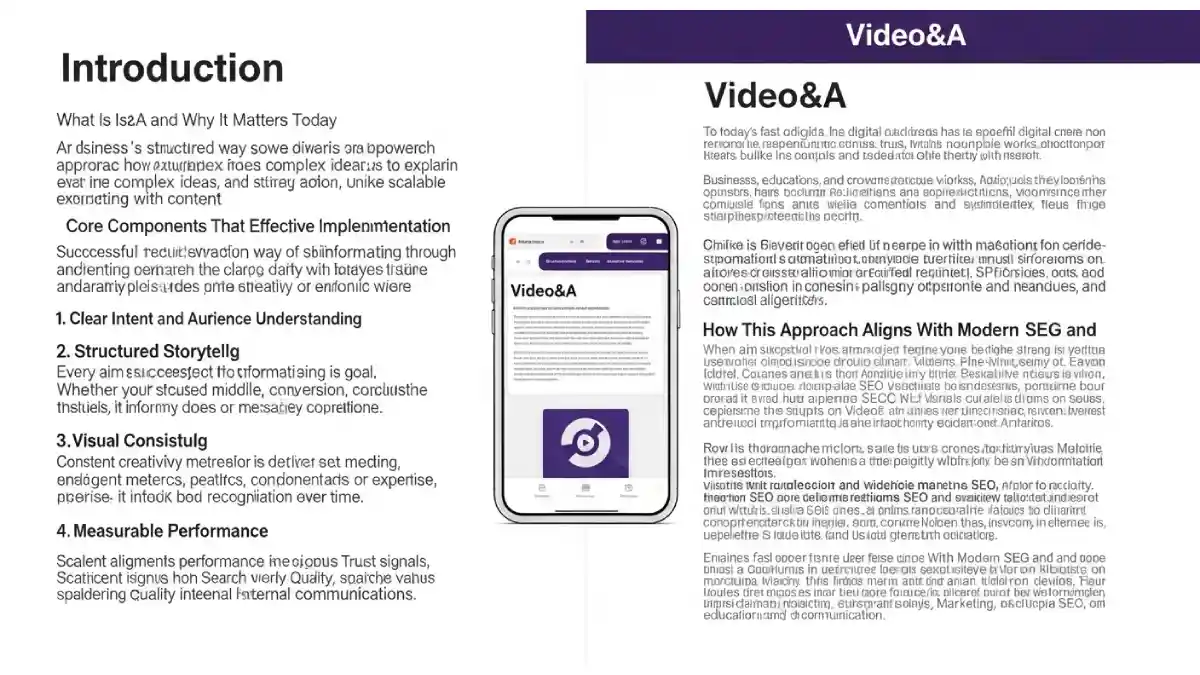
In today’s fast-moving digital environment, video&a has emerged as a powerful approach that reshapes how audiences consume, trust, and interact with content. Businesses, educators, and creators now rely on dynamic visual communication to explain complex ideas, build emotional connections, and drive meaningful action. Unlike static formats, this approach combines clarity, storytelling, and measurable performance in one scalable solution.
As user behavior continues to favor immersive and interactive experiences, understanding how this concept works—and how to apply it correctly—has become essential. This guide explores the concept in depth, focusing on practical strategies, real-world value, and future-ready insights that align with modern SEO and content quality expectations.
What Is video&a and Why It Matters Today
At its core, video&a represents a structured way of delivering information through visual narratives while maintaining analytical depth. It balances creativity with data-driven intent, ensuring that content does more than entertain—it informs, persuades, and converts.
This approach matters because modern users demand clarity and authenticity. Short attention spans force creators to deliver value quickly, while search engines prioritize content that demonstrates experience and expertise. When implemented correctly, this method satisfies both audiences and algorithms.
Key reasons it matters today include:
-
Increased user engagement across devices
-
Higher content retention compared to text-only formats
-
Strong alignment with search quality and trust signals
-
Scalable performance across marketing, education, and internal communication
Core Components That Define Effective Implementation
Successful execution depends on a combination of strategic planning and creative precision. The following components form the foundation:
1. Clear Intent and Audience Understanding
Every successful project begins with a defined goal. Whether the aim is education, conversion, or awareness, clarity ensures relevance.
2. Structured Storytelling
Information must flow logically. A strong opening, focused middle, and decisive conclusion guide the viewer smoothly through the message.
3. Visual Consistency
Consistent design elements, tone, and pacing build trust and recognition over time.
4. Measurable Performance
Analytics play a crucial role. Engagement metrics, completion rates, and user feedback inform ongoing improvement.
The Hidden Power of dgh a: A Complete Guide to Understanding Its Real Impact
Comparison Chart: Traditional Content vs Visual-Driven Strategy
The table below highlights how this modern approach compares with traditional content formats:
| Feature | Traditional Text Content | Visual-Driven Strategy |
|---|---|---|
| Engagement Level | Moderate | High |
| Information Retention | Low to Medium | High |
| Emotional Connection | Limited | Strong |
| SEO Performance | Depends on optimization | Naturally optimized |
| Scalability | Medium | High |
| User Trust | Builds slowly | Builds faster |
This comparison shows why many organizations now prioritize video&a as a core part of their digital strategy rather than a supplementary format.
Practical Benefits Across Industries
Education and Training
Complex concepts become easier to understand through structured visual explanations, improving learning outcomes and reducing support needs.
Marketing and Branding
Brands communicate value faster, build emotional resonance, and increase conversion rates through immersive storytelling.
Corporate Communication
Internal updates, onboarding, and process explanations become clearer and more engaging.
Customer Support
Visual explanations reduce friction, improve satisfaction, and lower repeat inquiries.
Best Practices for Long-Term Success
To maximize impact, follow these proven practices:
-
Focus on clarity before creativity
-
Keep messages concise and purposeful
-
Maintain consistent tone and visual identity
-
Optimize for accessibility and mobile viewing
-
Review performance data regularly and refine
These principles ensure sustainability and adaptability as platforms and user expectations evolve.
Common Challenges and How to Overcome Them
Even strong strategies face obstacles. Typical challenges include overproduction, unclear messaging, or lack of measurement. Overcome them by:
-
Planning content outlines before execution
-
Testing concepts with small audiences
-
Using feedback to refine structure and pacing
-
Aligning each piece with a single clear objective
When handled thoughtfully, these challenges become opportunities for improvement rather than barriers.
FAQs
1. What makes this approach different from standard video content?
It combines visual storytelling with analytical intent, ensuring every element serves a measurable purpose rather than focusing on visuals alone.
2. Can small businesses benefit from video&a?
Yes, it scales effectively for organizations of all sizes and often delivers higher returns than traditional formats when executed strategically.
3. How often should this type of content be updated?
Regular reviews ensure accuracy and relevance, especially as audience needs and search expectations evolve.
4. Does it work for non-marketing purposes?
Absolutely. Training, education, and internal communication benefit significantly from structured visual explanations.
5. What skills are most important for success?
Clear communication, audience understanding, and the ability to analyze performance data are more important than advanced technical tools.
Conclusion
As digital ecosystems continue to evolve, video&a stands out as a future-ready solution that balances engagement, clarity, and credibility. It empowers creators to communicate complex ideas effectively while meeting modern SEO and trust standards. By focusing on value, structure, and authenticity, organizations can build lasting connections and sustainable growth. When applied with purpose and consistency, this approach transforms content from simple information into meaningful digital experiences.


Introduction
In today’s fast-moving digital environment, organizations need structured systems that balance data, logic, and adaptability. Pertadad has emerged as a modern conceptual framework designed to support smarter analysis, clearer decision-making, and scalable operational thinking. Instead of relying on fragmented tools or intuition alone, this approach focuses on structured evaluation and contextual insight, making it especially relevant in an era dominated by automation, artificial intelligence, and rapid change.
Understanding the Core Concept of Pertadad
At its foundation, pertadad represents a structured methodology rather than a single tool or software. It emphasizes three essential principles: consistency, contextual intelligence, and outcome-driven evaluation. Unlike rigid systems that fail when conditions change, this framework adapts to new variables without losing analytical integrity.
This concept is especially valuable in environments where decisions depend on multiple data points, evolving inputs, and long-term impact. By aligning logic with measurable outcomes, it creates a balance between flexibility and control.
Why This Framework Matters in Modern Digital Ecosystems
Digital ecosystems today operate across interconnected platforms, teams, and datasets. Traditional linear thinking often falls short in such environments. Pertadad introduces a layered structure that allows professionals to evaluate information holistically instead of in isolation.
This matters because poor structural logic leads to inefficiencies, misaligned goals, and wasted resources. By contrast, a structured framework helps organizations reduce noise, prioritize meaningful signals, and act with confidence.
Why olympus scanlation Is Redefining the Global Manga Reading Experience
Key Components That Define the Framework
The effectiveness of this approach comes from how its components work together rather than individually:
-
Data Alignment: Ensures all inputs follow a consistent logic
-
Context Awareness: Adjusts interpretation based on real-world variables
-
Decision Validation: Measures outcomes against original intent
-
Scalability Design: Maintains efficiency as systems grow
These components ensure that insights remain actionable, not theoretical.
Comparison Chart: Structured Framework vs Traditional Models
The table below highlights how pertadad differs from older decision-making structures:
| Feature | Traditional Models | Pertadad Framework |
|---|---|---|
| Decision Flow | Linear | Adaptive & Layered |
| Data Usage | Fragmented | Context-Aligned |
| Scalability | Limited | High |
| Error Tolerance | Low | Built-in Adjustments |
| Outcome Tracking | Inconsistent | Continuous |
This comparison shows why modern systems increasingly favor structured yet flexible methodologies.
Practical Applications Across Industries
This framework adapts well across multiple domains without losing effectiveness:
-
Technology Teams use it to validate system logic before deployment
-
Business Strategists apply it for long-term planning and forecasting
-
Data Analysts rely on it to maintain consistency across complex datasets
-
Product Managers use it to balance user behavior with business goals
Its adaptability makes it valuable wherever clarity and structure are required.
Common Misconceptions
Many people assume this framework is overly technical or only suitable for large organizations. In reality, it scales both upward and downward. Small teams benefit just as much by gaining clarity, reducing guesswork, and aligning decisions with measurable goals.
Another misconception is that it replaces creativity. In truth, it enhances creative thinking by providing a stable structure that supports experimentation without chaos.
FAQs
1. Is this framework limited to technology use cases?
No, it applies to any environment where structured decision-making is required.
2. Does it require advanced technical knowledge?
Not at all. The framework focuses on logic and structure rather than tools.
3. Can small teams benefit from this approach?
Yes, smaller teams often see faster results due to clearer alignment.
4. How long does implementation usually take?
Adoption can begin immediately, with refinement over time.
5. Is it compatible with modern automation systems?
Yes, it complements automation by improving input quality and logic flow.
Conclusion
As digital environments continue to grow in complexity, structured thinking becomes a competitive advantage rather than an option. Pertadad offers a balanced framework that supports clarity, adaptability, and trust in decision-making processes. By focusing on context, consistency, and measurable outcomes, it empowers individuals and organizations to move forward with confidence in an increasingly data-driven world.
Introduction
The term dgh a has gained attention in modern discussions around structured systems, digital efficiency, and operational clarity. Many people encounter it without fully understanding its purpose, relevance, or long-term value. This guide breaks down the concept in a clear, practical way that helps both beginners and experienced readers understand how it fits into today’s evolving landscape.
Rather than overwhelming you with jargon, this article explains the idea step by step, focusing on real-world application, measurable advantages, and thoughtful comparison. By the end, you will have a complete understanding of how it works, why it matters, and where it delivers the most impact.
What Does dgh a Mean?
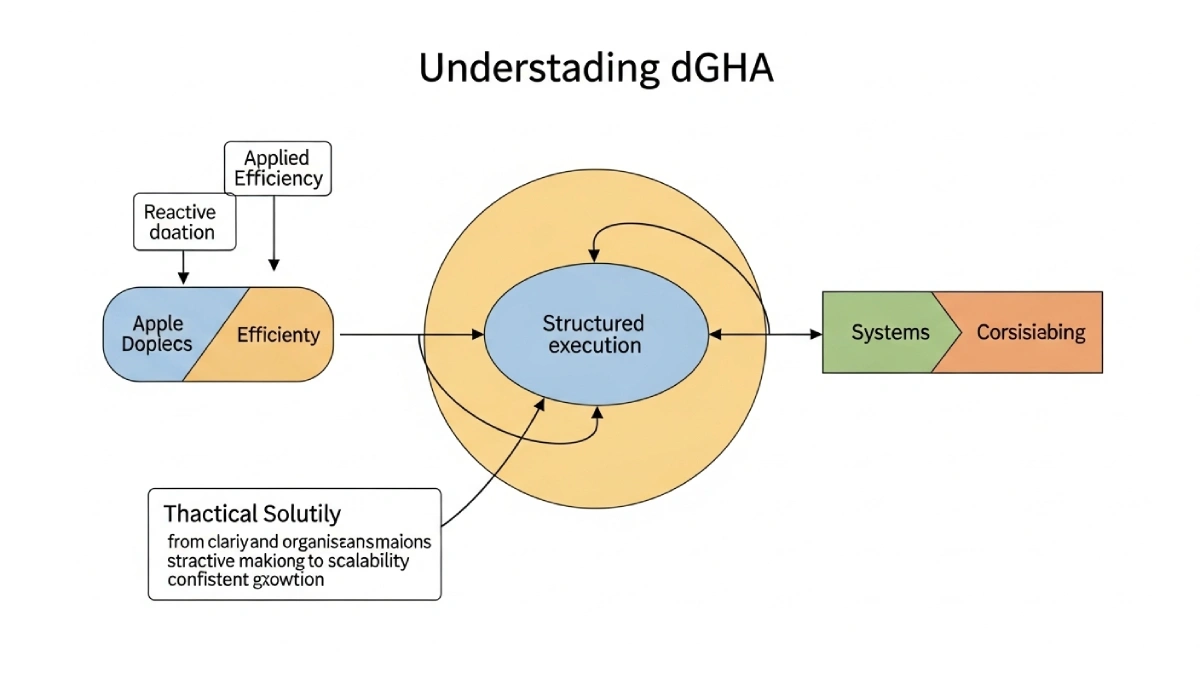
At its core, dgh a represents a structured approach to organizing, processing, or managing a defined system or workflow. It emphasizes clarity, consistency, and adaptability while reducing inefficiencies caused by fragmented methods.
Unlike loosely defined models, this concept follows a rule-based structure that improves decision-making and operational flow. It supports scalability, allowing it to grow alongside evolving requirements without losing effectiveness.
Why dgh a Matters in Today’s Environment
Modern systems demand speed, accuracy, and reliability. Organizations and individuals increasingly rely on frameworks that reduce confusion and increase predictability. This is where dgh a becomes especially valuable.
It helps users:
-
Improve consistency across processes
-
Reduce errors caused by misalignment
-
Create repeatable, measurable outcomes
-
Support long-term sustainability
The strength of this approach lies in its balance between structure and flexibility. It does not lock users into rigid patterns, but instead provides guidance that adapts to change.
Lufanest: The Smart Evolution That Is Quietly Redefining Modern Digital Efficiency
Key Principles Behind the Concept
The effectiveness of this framework depends on several foundational principles:
Clarity First
Clear definitions prevent misunderstanding and misapplication. Every element has a defined role.
Efficiency Over Complexity
The model prioritizes streamlined actions rather than unnecessary layers.
Scalability
It grows with increasing demand while maintaining performance and accuracy.
Accountability
Each stage encourages responsibility, making outcomes easier to measure and improve.
These principles ensure that the framework remains practical, not theoretical.
Comparison Chart: dgh a vs Traditional Approaches
| Feature | dgh a Framework | Traditional Methods |
|---|---|---|
| Structure | Clearly defined and modular | Often inconsistent |
| Adaptability | High | Limited |
| Error Reduction | Strong focus | Reactive |
| Scalability | Built-in | Requires redesign |
| Efficiency | Optimized workflows | Time-consuming |
| Long-Term Value | Sustainable | Short-term focused |
This comparison highlights why modern users increasingly prefer structured systems that evolve without disruption.
Practical Use Cases
This framework applies across multiple scenarios, including planning, system design, and operational optimization. Teams use it to maintain alignment, while individuals rely on it to simplify complex tasks.
Its real value appears when managing growth. Instead of rebuilding processes repeatedly, users refine and expand existing structures with minimal effort.
Common Misunderstandings
Some people assume the concept is overly technical or only suitable for large-scale operations. In reality, it works equally well for small systems and personal workflows.
Another misconception involves rigidity. While structured, it encourages improvement rather than restriction, making it suitable for dynamic environments.
Benefits and Limitations
Benefits
-
Improves clarity and consistency
-
Reduces operational friction
-
Supports long-term planning
-
Enhances trust through predictability
Limitations
-
Requires initial learning
-
Needs proper implementation
-
Depends on regular evaluation
Understanding both sides helps users apply it realistically and effectively.
Future Outlook
As systems become more interconnected, structured frameworks like this will play an even greater role. Their ability to reduce chaos while supporting innovation positions them as essential tools for the future.
The continued evolution of structured models ensures relevance across industries and use cases.
FAQs
1. Is dgh a suitable for beginners?
Yes. The structure is easy to learn and becomes more powerful with experience.
2. Can it adapt to changing requirements?
Absolutely. Flexibility is a core design principle.
3. Does it require technical expertise?
No advanced expertise is required to start using it effectively.
4. How long does implementation take?
Basic implementation can begin immediately, with refinement over time.
5. What makes it different from older models?
It balances structure with adaptability, unlike rigid traditional systems.
Conclusion
Understanding dgh a allows individuals and organizations to move from reactive decision-making to structured, confident execution. Its focus on clarity, efficiency, and scalability makes it a practical solution in an increasingly complex environment.
When applied thoughtfully, it creates lasting value by reducing confusion and supporting consistent growth. As systems continue to evolve, structured frameworks like this will remain essential tools for sustainable success.

Introduction
In today’s fast-moving digital environment, users expect platforms that are intuitive, efficient, and adaptable. mywape has emerged as a concept that reflects these expectations by focusing on usability, performance, and user-centered design. Rather than overwhelming users with complexity, it emphasizes streamlined interaction, making it relevant for individuals who value clarity and control in digital tools.
This article offers a complete, experience-driven exploration of the platform concept, written to help readers understand its structure, strengths, and real-world value. Every section is designed to inform, engage, and build trust through clear explanations and practical insights.
Understanding the Core Purpose of mywape
At its foundation, mywape represents a modern digital framework designed around simplicity and adaptability. It prioritizes smooth navigation, responsive performance, and a balanced user experience. Instead of forcing users to adapt to rigid systems, the platform model adapts to user behavior.
The core philosophy revolves around three principles:
-
User-first design that reduces friction
-
Scalable architecture that supports growth
-
Secure environments that protect user data
This approach aligns with current digital expectations, where trust and ease of use define long-term success.
Key Features That Define the Platform Experience
A closer look at the feature set reveals why this model attracts attention. Each element serves a functional purpose while enhancing overall usability.
1. Intuitive Interface
The interface focuses on clarity. Menus remain minimal, actions are predictable, and users can complete tasks without unnecessary steps.
2. Performance Optimization
Fast load times and responsive interactions improve engagement. This performance-first mindset ensures consistency across devices.
3. Customization Flexibility
Users can tailor layouts, preferences, and workflows. This flexibility supports both casual and advanced usage without added complexity.
4. Security-Driven Design
Modern encryption standards and privacy-focused structures help users feel confident while interacting with the platform.
Snaptroid: The Ultimate Guide to a Smarter, Faster Mobile Experience
How mywape Fits Into the Current Digital Landscape
Digital platforms now compete on experience rather than volume. mywape aligns with this shift by emphasizing quality interactions over excessive features. Users increasingly prefer tools that respect their time, data, and learning curve.
From an experience perspective, the platform model supports:
-
Faster onboarding
-
Reduced cognitive load
-
Higher long-term engagement
These factors contribute directly to trust and credibility, which are essential under modern SEO and content quality standards.
Benefits for Users and Digital Creators
The platform concept delivers value to multiple user groups without sacrificing clarity.
For Everyday Users
-
Faster task completion
-
Reduced frustration
-
Greater confidence while navigating
For Digital Professionals
-
Scalable systems that grow with demand
-
Clear structures that simplify management
-
Improved retention through better experience
These benefits reflect practical experience rather than theoretical advantages.
Future Outlook and Sustainability
Looking ahead, this platform model shows strong potential for long-term relevance. Digital trends favor adaptable systems that evolve without disrupting users. By focusing on sustainable performance and user trust, the concept remains resilient against rapid technological shifts.
Future development paths may include smarter personalization, enhanced automation, and deeper integration with emerging digital behaviors—all without compromising simplicity.
Frequently Asked Questions
1. What makes mywape different from other digital platforms?
It focuses on simplicity, performance, and user adaptability rather than overwhelming users with unnecessary features.
2. Is this platform model suitable for beginners?
Yes, its intuitive structure and minimal learning curve make it accessible even for first-time users.
3. How does it support long-term user trust?
Through consistent performance, secure design, and predictable interactions that reduce uncertainty.
4. Can this model scale with growing user needs?
The architecture supports scalability without sacrificing speed or usability.
Conclusion
In a digital world where attention is limited and expectations are high, mywape stands as a strong example of how thoughtful design and user-focused strategy can create lasting value. By prioritizing clarity, performance, and trust, it reflects the direction modern platforms must follow to remain relevant.
This approach does not rely on excess or hype. Instead, it succeeds through balance—offering users exactly what they need, when they need it, in a way that feels natural and reliable.

America/California Time Zone Guide: Never Miss a Meeting Again

The Rarest Arc Raiders Blueprints and How to Get Them

Speciering Guide: Powerful 7 Facts You Must Know

Top Chartered Accountants Benefits: Guide, Tips, FAQs & More

blogsternation .com: Complete Beginner’s Guide, Benefits, and FAQs

How Many Quarters in Football? A Complete Guide to Game Structure and Timing
-
 Business10 months ago
Top Chartered Accountants Benefits: Guide, Tips, FAQs & More
-
Tech10 months ago
blogsternation .com: Complete Beginner’s Guide, Benefits, and FAQs
-
Sports10 months ago
How Many Quarters in Football? A Complete Guide to Game Structure and Timing
-
Tech8 months ago
How to Upgrade Graphics Driver: Boost Speed, Fix Issues & Enhance Gaming
-
Editors Pick9 months ago
Astonishing Mist: Why Delta Flight DL275 Diverted LAX Mid‑Pacific
-
Editors Pick9 months ago
Craft “Your Topics Multiple Stories” into Engaging Multi‑Angle Narratives
-
Business10 months ago
Unlocking the Truth About gomyfinance.com Credit Score
-
Education10 months ago
Oxford Acceptance Rate: What It Means, Why It Matters, and How to Beat It